4rtist•de (DE)
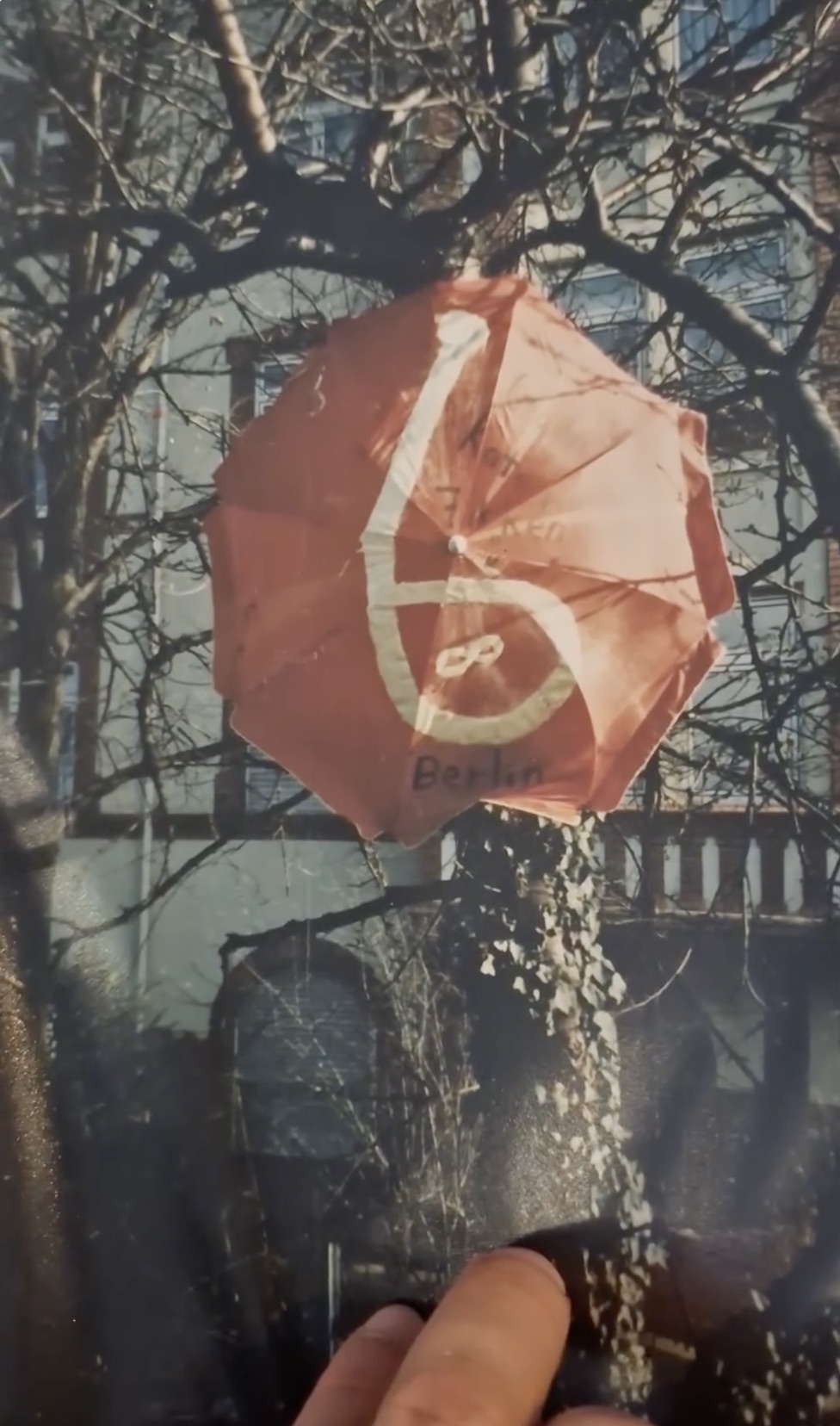
Born in 1960, Rainer Brendel is a former chemical laboratory assistant and social worker. He came to street art and graffiti in 1993 and moved to Berlin in 1995, where his number 6 has been a constant ever since.
Artist presentation, with Sebastian Zimmerhackl and Melis Dumlu.
Again (NL)
Active in the streets since 1982, Again is an Amsterdam graffiti legend and an independent graffiti heritage researcher. He is the author of the seminal book «Amsterdam on Tour: The Early Signs of Dutch Graffiti».
«Amsterdam’s City Kids era»
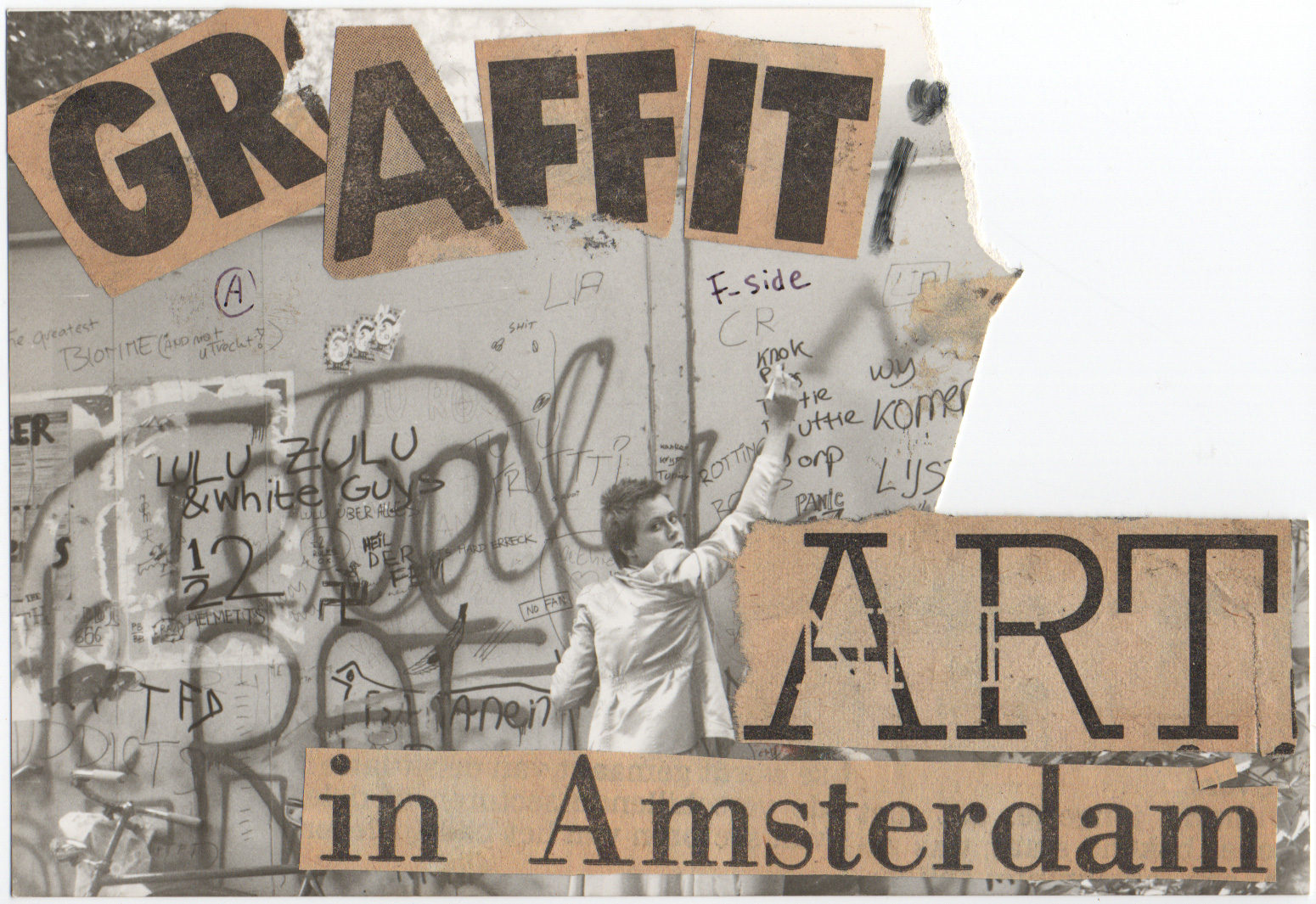
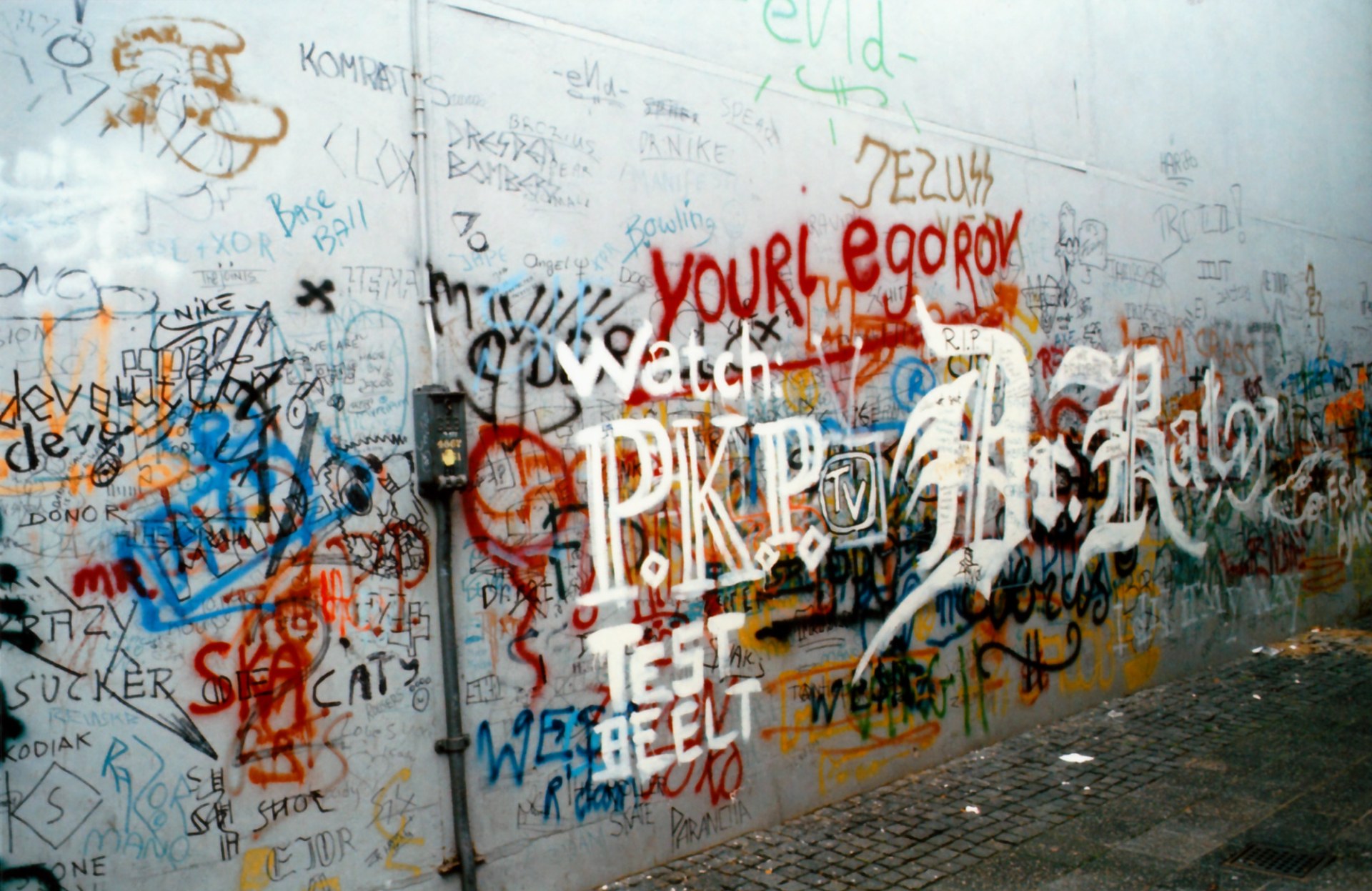
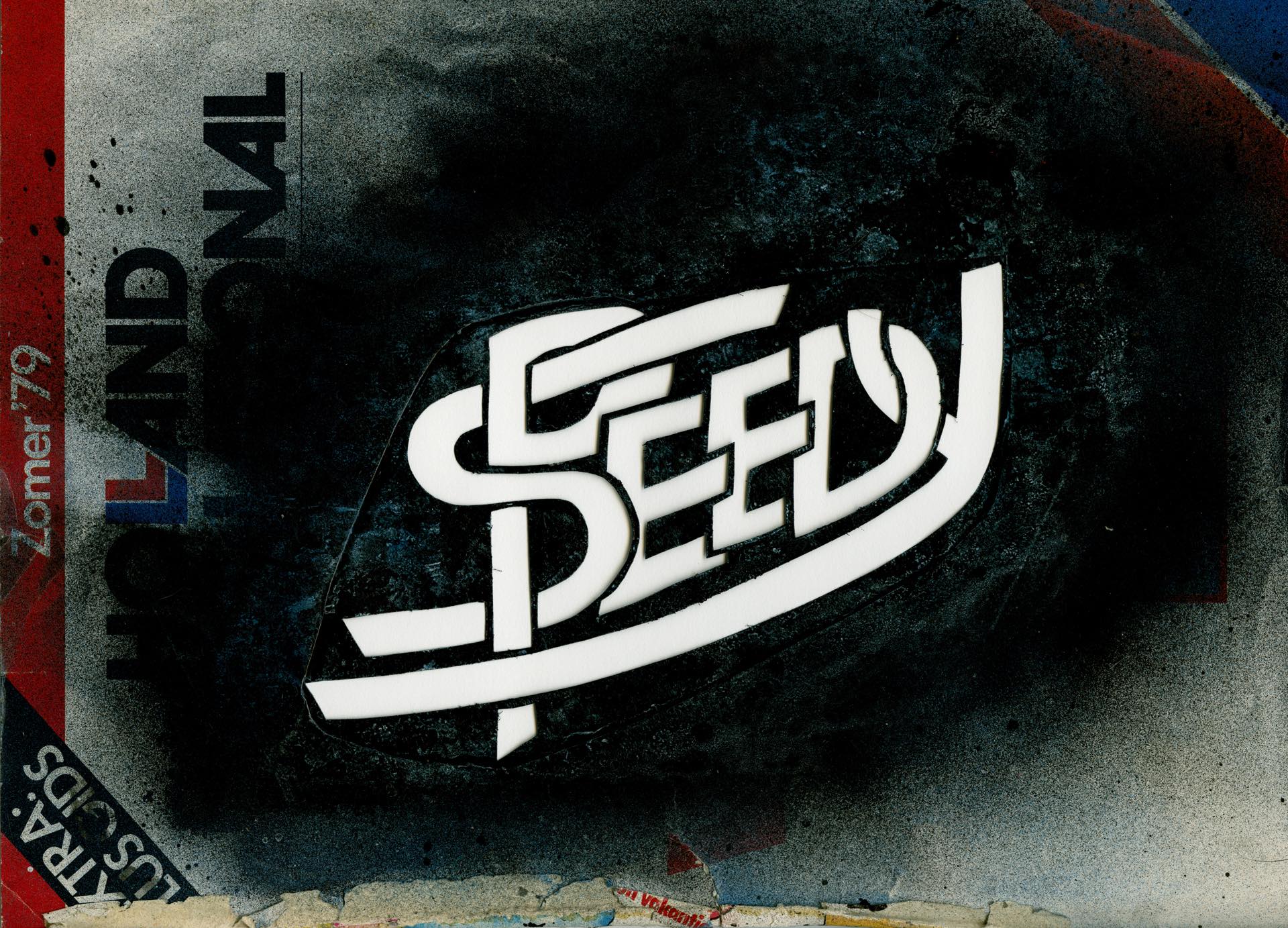
From 1981 to 1984, in the wake of Amsterdam’s punk graffiti, a new generation of young locals known as the City Kids invented their own punk-inspired writing, independently of the New York tradition. The result was the first all-city tagging scene in Europe, and a remarkably overlooked chapter of graffiti history.
Anton Polsky (DE)
PhD candidate at Humboldt-Universität zu Berlin, cultural critic, board game designer and social artist. His research focuses on post-socialist urban practices, street art and transgressive aesthetics.
«Post-Soviet Punk Graffiti: Re-Appropriation of Ugliness»
This talk looks at the rock, heavy metal and punk markings in Soviet Russia from the late 1970s, documented in John Bushnell’s «Moscow Graffiti» (1990). It then turns to the «ugly graffiti» of the 2000s, where Moscow’s NЁK and Prague’s Cap Crew wore amateurism and backwardness with pride, just as the word «punk» was once reclaimed from stigma.
Charles Nolan Vanlinden (US)
Art historian based in the US state of Georgia. Their research looks at the history of graffiti writing and at instances of tagging from before the 20th century.
«Wanderings: Walking and Tagging in the Art and History of Parisian Streets»
To tag, a writer has to walk. Both acts are fleeting, and survive only when someone records them. This talk traces a history of walking taggers in Paris: from Restif de la Bretonne’s night walks in the 18th century, through the fin-de-siècle «jaytalkers» and Brassaï’s photographs, to today’s Marcher Arrant, who set out to walk every street in the city.
Dave de Leeuw (NL)
Heerlen-based artist, co-curator of the exhibition «D’Raw» at SCHUNCK in 2009, featuring Dr. Rat and Diana Ozon among others.
IN PANEL: «Fine Lines, Sketchy Evidence: The making of two exhibitions called D’Raw at B32 Cultural Squat and SCHUNCK Glaspaleis»
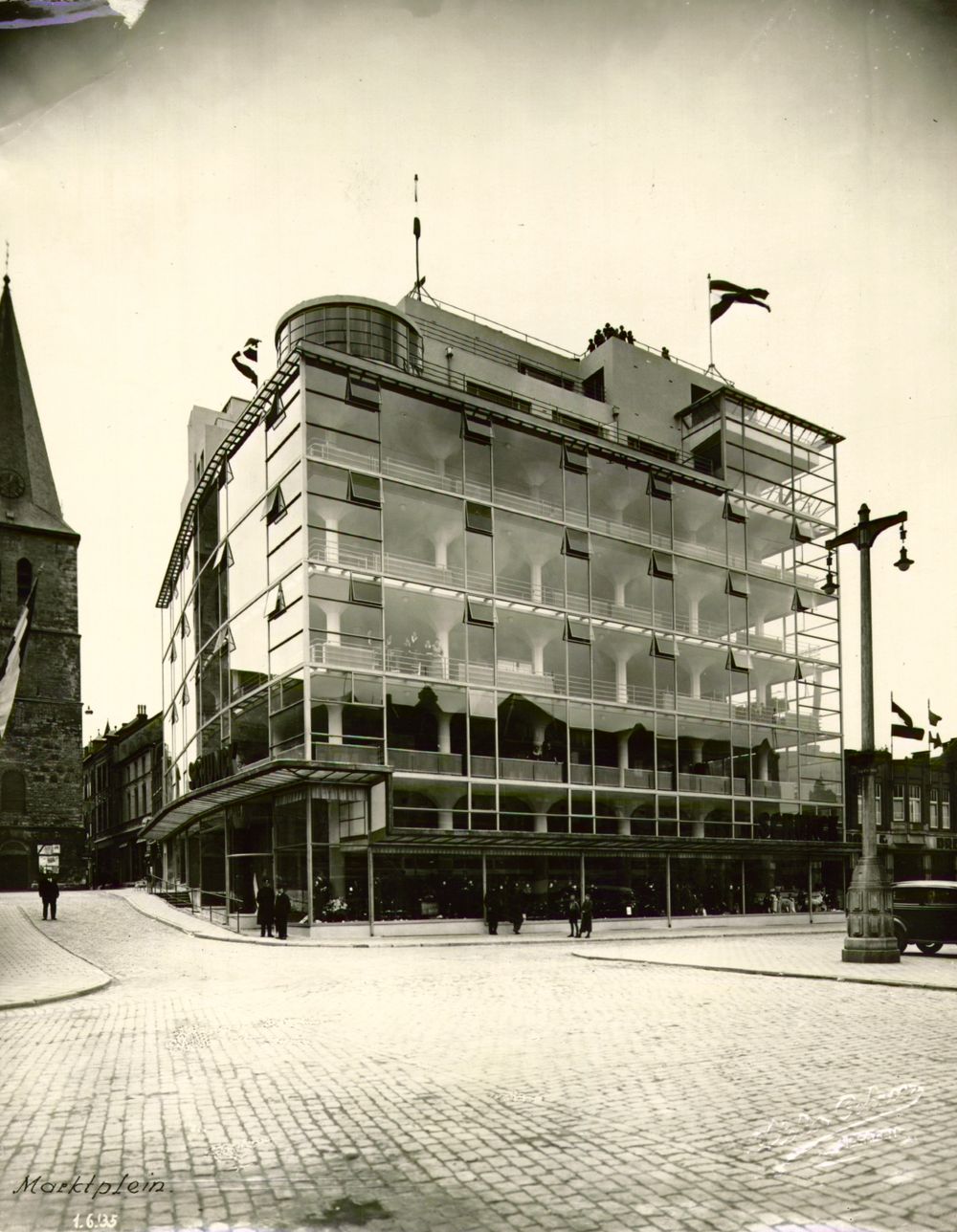
«D’Raw» began in 2007 as a self-organised show at B32, Maastricht’s legendary squat, and returned in 2009 at SCHUNCK, with works by Dondi White, Lady Pink, Harald Naegeli, Barry McGee and Dr. Rat, among many others. It brought raw drawing, in and around graffiti, into the exhibition space. This talk looks back at the project.
David Sciarone (NL)
Animator of the documentaries «Kladmuur: Grote Namen in een Kleine Stad» (2024) and «Sodom» (2026).
IN PANEL: «Groningen Heritage with Kladmuur»
Devoted local archivists Kladmuur Foundation bring to our stage two recent documentaries of their own, made with filmmakers Joey Benistant and Igor de Boer. Between the films, a rare chance to hear Pinox’82, the long-lost star of Groningen’s punk graffiti era, in conversation with Kladmuur’s head Hugo Engwerda and the filmmakers.
Diana Ozon (NL)
Amsterdam poet, author, performer, archivist and guest lecturer, publishing since 1977. One of the key protagonists of Amsterdam’s founding punk scene. Her extensive archive of the era is now entering museum collections.
IN PANEL: «The Genesis of Amsterdam Punk Graffiti»
In late-1970s Amsterdam, Diana Ozon and Hugo Kaagman lived punk’s do-it-yourself philosophy to the full: squatting, publishing fanzines and opening the galleries Anus, Ozon and Zebra, and the punk club DDT666. They promoted it all on the walls, provoking the art world with tags and stencils.
Dutch Graffiti Library (NL)
The foremost institution in the Netherlands dedicated to graffiti research, working through publishing, exhibitions and its own museum in Amsterdam. Presented by Richard van Tiggelen.
«Ephemera from the Punk Era»
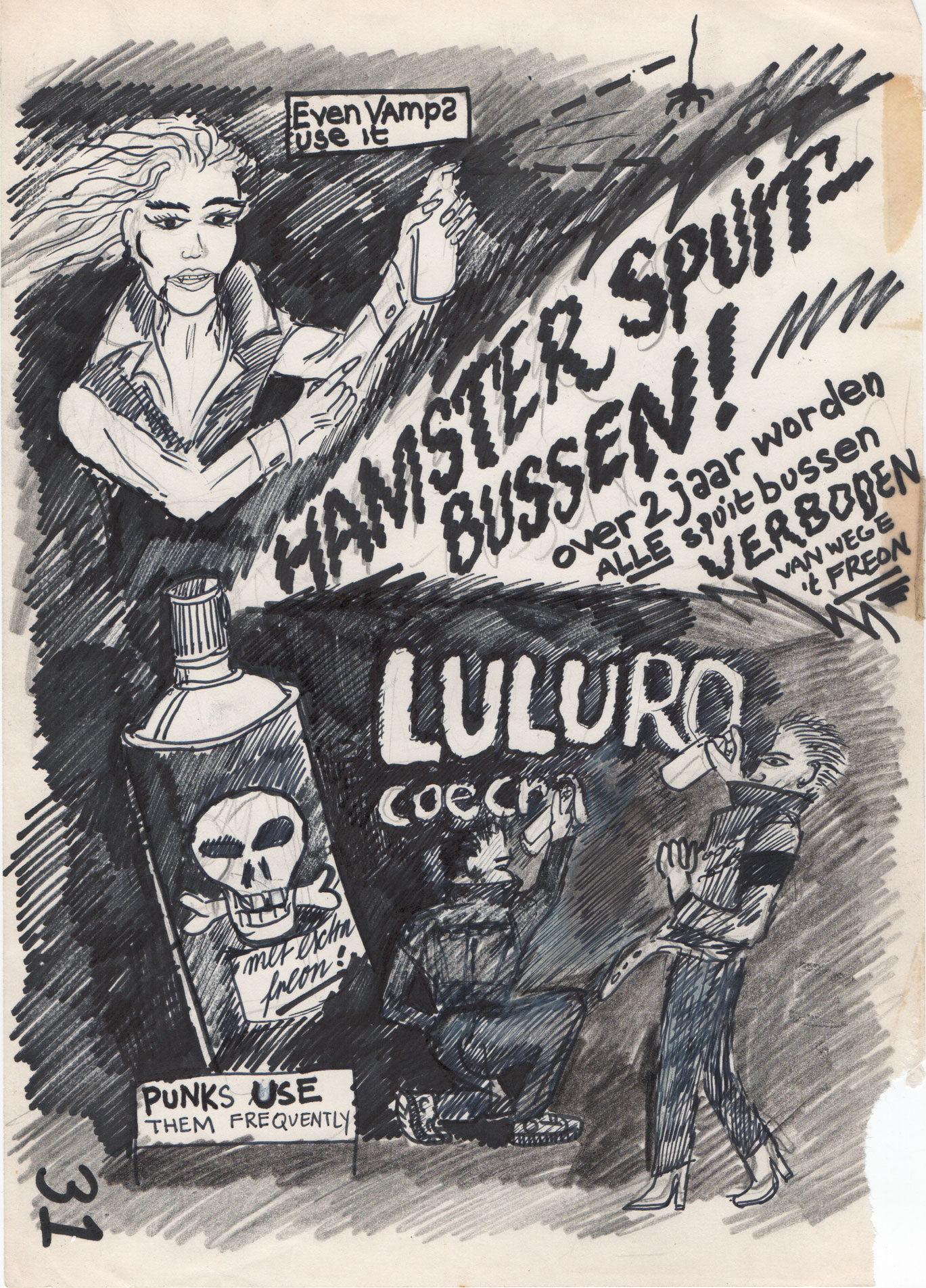
Punk spoke through paper as much as through walls, in flyers, posters, zines and photographs. This talk reads these ephemera as a record of the era’s visual language, underground networks and do-it-yourself spirit, and traces how they shaped the development of graffiti culture.
Hugo Engwerda (NL)
Founder and head of the Kladmuur Foundation, the pioneering graffiti heritage project launched in 2021. A designer by training, he is a long-standing researcher and lecturer at Groningen’s Hanze University.
IN PANEL
Hugo Kaagman (NL)
Known as the ‘Dutch Stencil King’, he was a driving force in Amsterdam’s early punk and squatting scene. He pioneered stencil graffiti from 1977, and has since worked as a studio and public artist. His work is in the Stedelijk Museum collection.
IN PANEL
Igor de Boer (NL)
Filmmaker. Co-director, with Joey Benistant, of «Kladmuur: Grote Namen in een Kleine Stad» (2024) and «Sodom» (2026).
IN PANEL
Isabel Carrasco (ES)
Madrid-based art historian, teacher and academic programme director at Marist University and Boston University. Her research covers graffiti, DIY cultures and anti-speciesist visual activism.
«The Almost Unseen Markings: Reconstructing ALF Direct Action Graffiti from Underground Archives (1980s—early 2000s)»
From the 1980s to the early 2000s, the Animal Liberation Front (ALF) sprayed messages and signs during clandestine actions that included sabotage and animal rescues. This talk reconstructs these markings, most of them known today only through descriptions and drawings in underground bulletins and zines.
Javier Abarca (ES)
A key artist in the first generation of Spanish graffiti and now a leading thinker in the field. After ten years teaching Fine Arts at Complutense University, he turned to cultural programming, founding the Tag Conference, Unlock Book Fair and Art & Place Conference travelling event series.
Moderator of the panel «Punk Graffiti Beyond the Netherlands»
Joey Benistant (NL)
Filmmaker. Co-director, with Igor de Boer, of «Kladmuur: Grote Namen in een Kleine Stad» (2024) and «Sodom» (2026).
IN PANEL
Kevin Goes (NL)
Journalist from Heerlen, based in Amsterdam, who has worked for L1, BNR Nieuwsradio and the AD. With Sanne Gijsbers, he presents the podcast «Where Walls Speak».
IN PANEL: «Where Walls Speak: Graffiti, Opportunities and Belonging»
Heerlen, a former industrial city shaped by decline and reinvention, now counts graffiti and street art as part of its identity. This talk draws on a new podcast, built on months of conversations with graffiti writers, artists, politicians, youth workers and railway police, to explore the city’s own scene.
Lovorka Peric-Hassler (DE)
Aachen-based biographical filmmaker with a PhD in Chemistry. A report on street art in Aachen led to her feature documentary «Optische Schreie» on muralist Klaus Paier.
IN PANEL: «Visual Screams: Klaus Paier, Political Muralism, and the Legacy of Visual Resistance»
In the 1970s and 1980s, German street art pioneer Klaus Paier turned walls in Aachen and Cologne into political murals. Drawing on Latin American muralism, his «Optische Schreie» (visual screams) spoke out against injustice, apartheid and homophobia. This talk traces how works once treated as crimes became protected monuments.
Massoud Sakhi (NL)
Heerlen-based artist. His project MODULE #6 at SCHUNCK studied the marks left in the underground marl quarries of South Limburg, where he works as an official guide.
«Carved in Stone»
The underground marl quarries of South Limburg hold centuries of graffiti: names, dates and drawings left by visitors since the late Middle Ages. Official guide Massoud Sakhi presents them in this talk, and leads our Historical Graffiti Tour there.
Mathilde muPe (NL)
Amsterdam artist, self-taught painter, designer, draughtswoman and musician, with a degree in fine art photography. As a teenager in the late 1970s she wrote slogans in suburban Amstelveen and sold her stencilled prints at Galerie Anus.
«The Rise of Graffiti, Observed by a Suburban Writer»
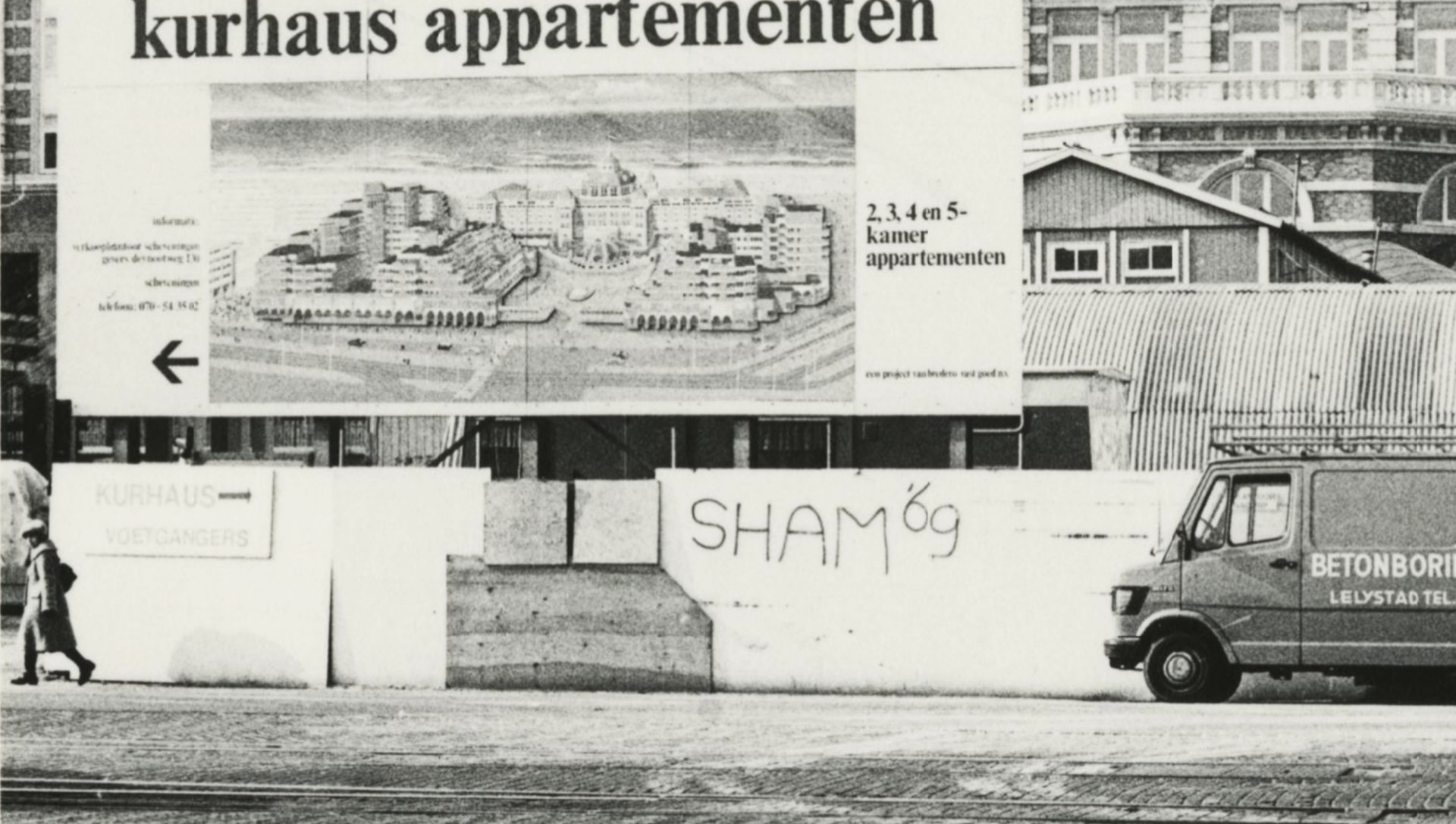
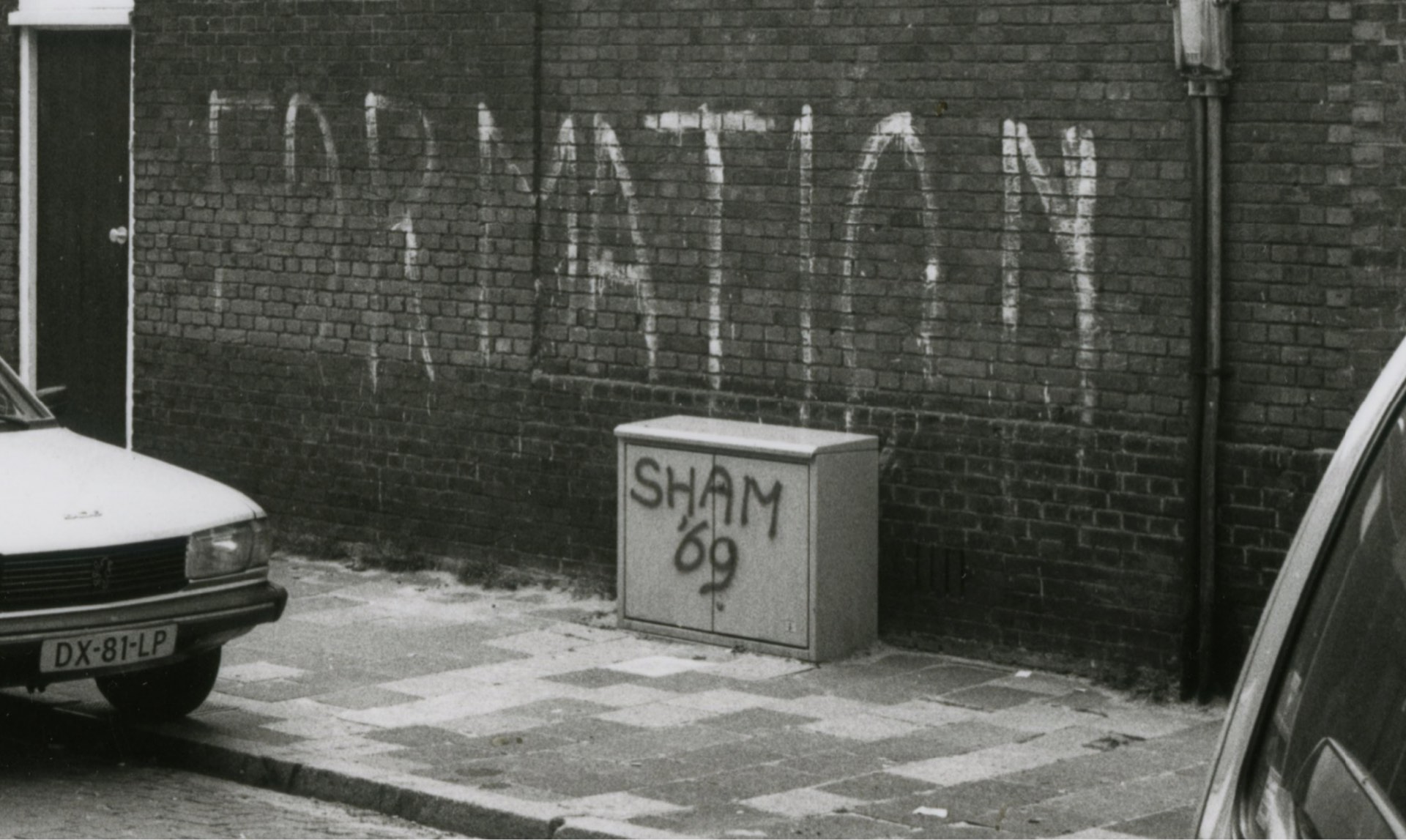
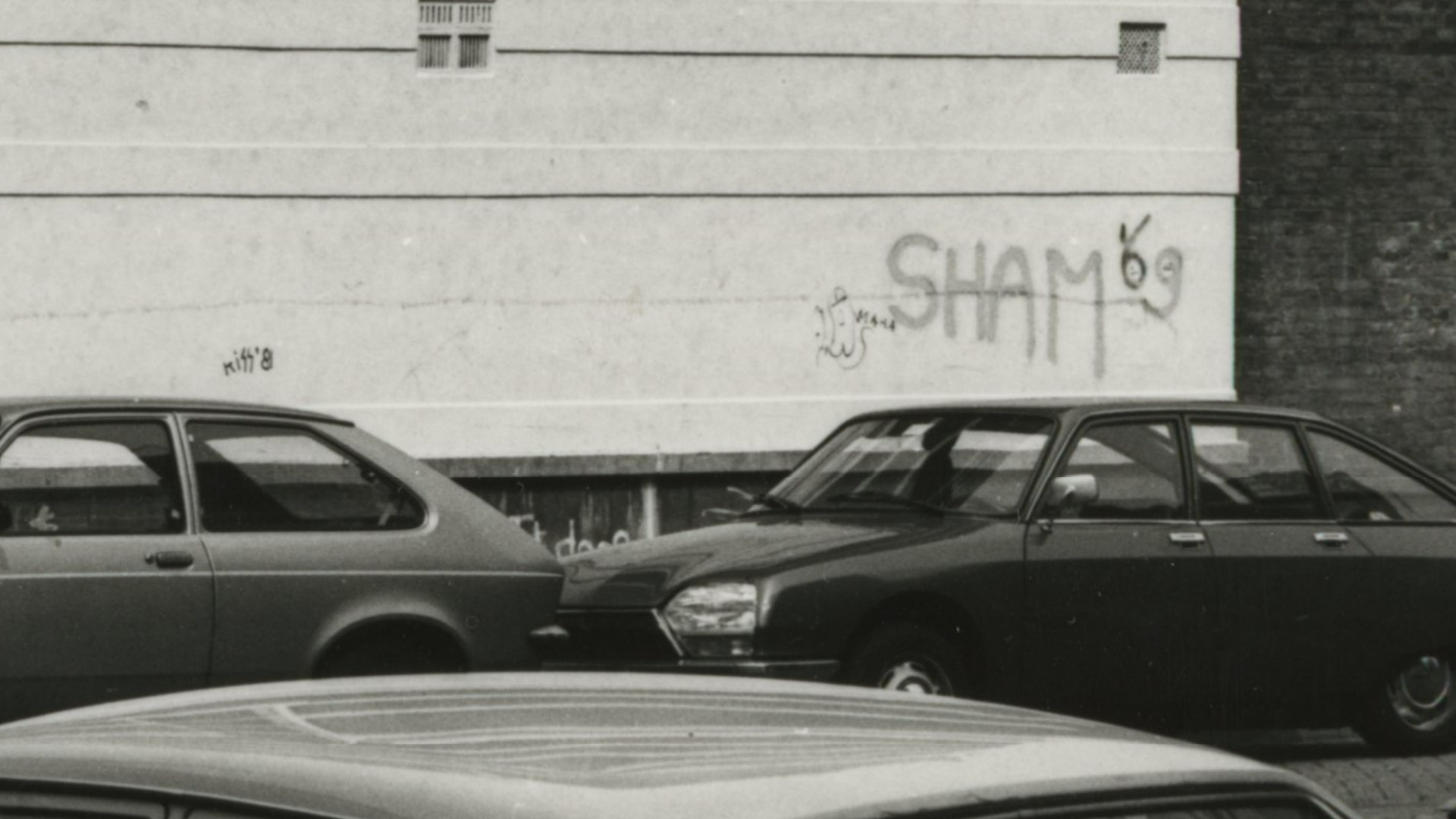
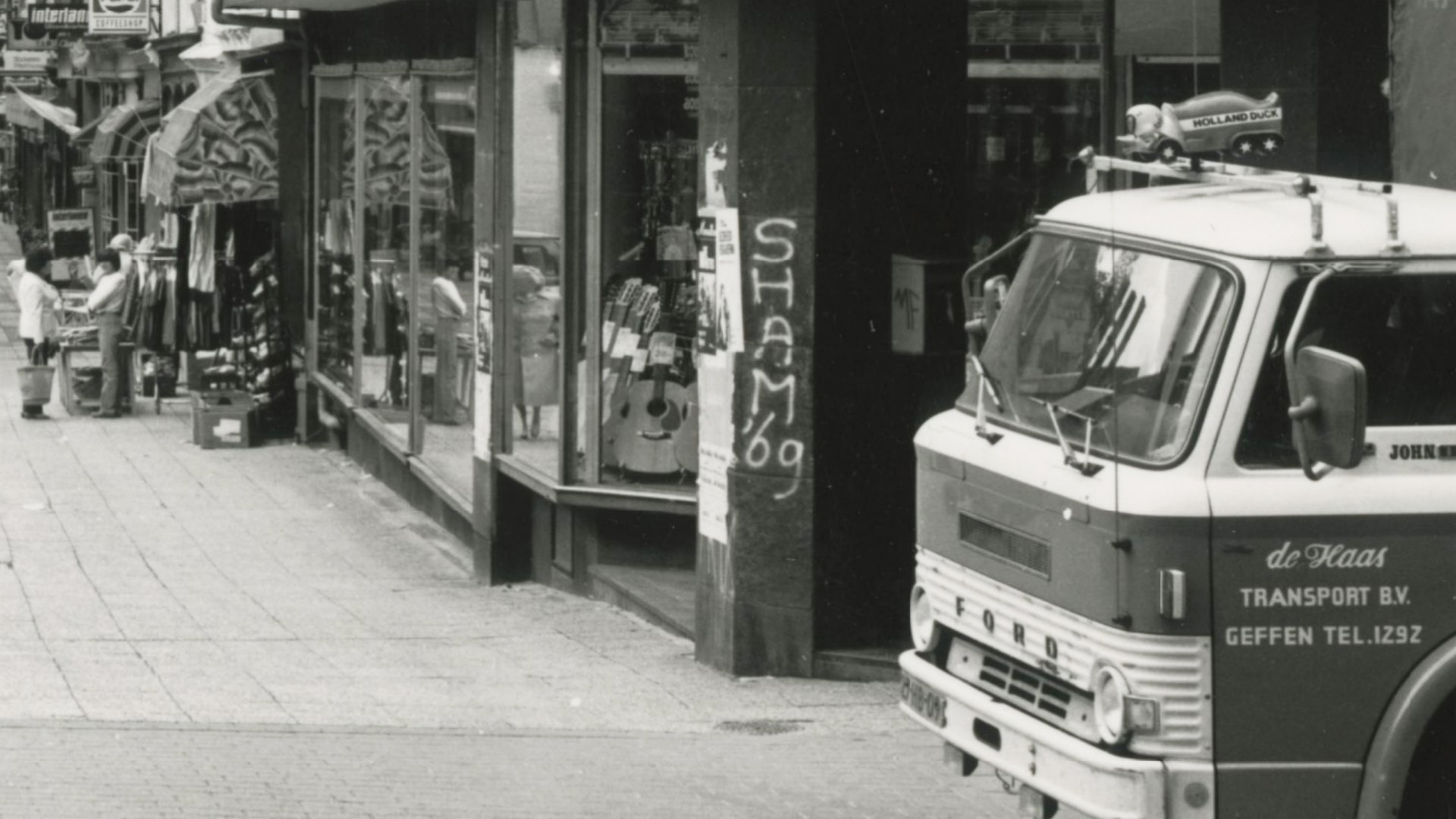
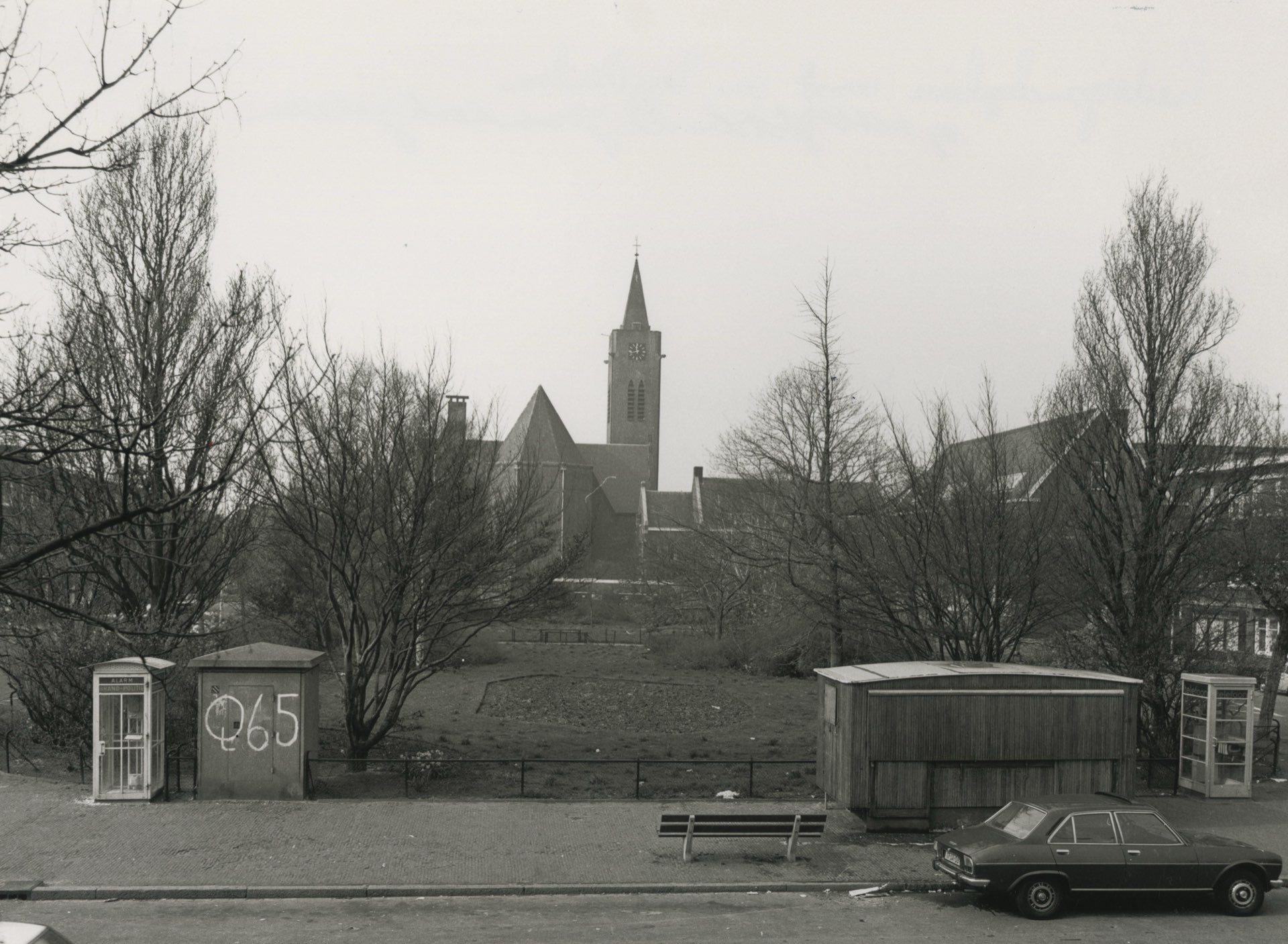
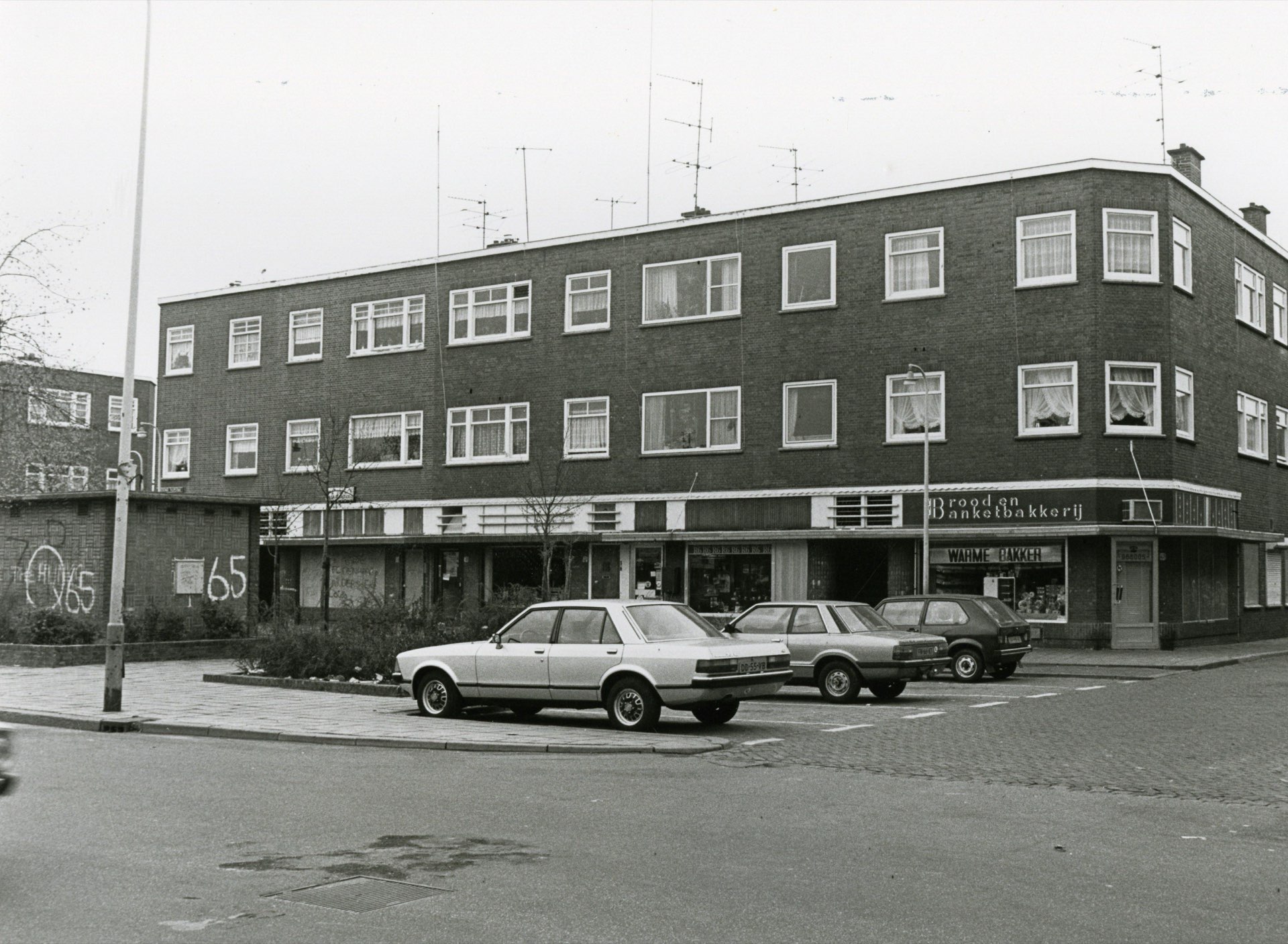
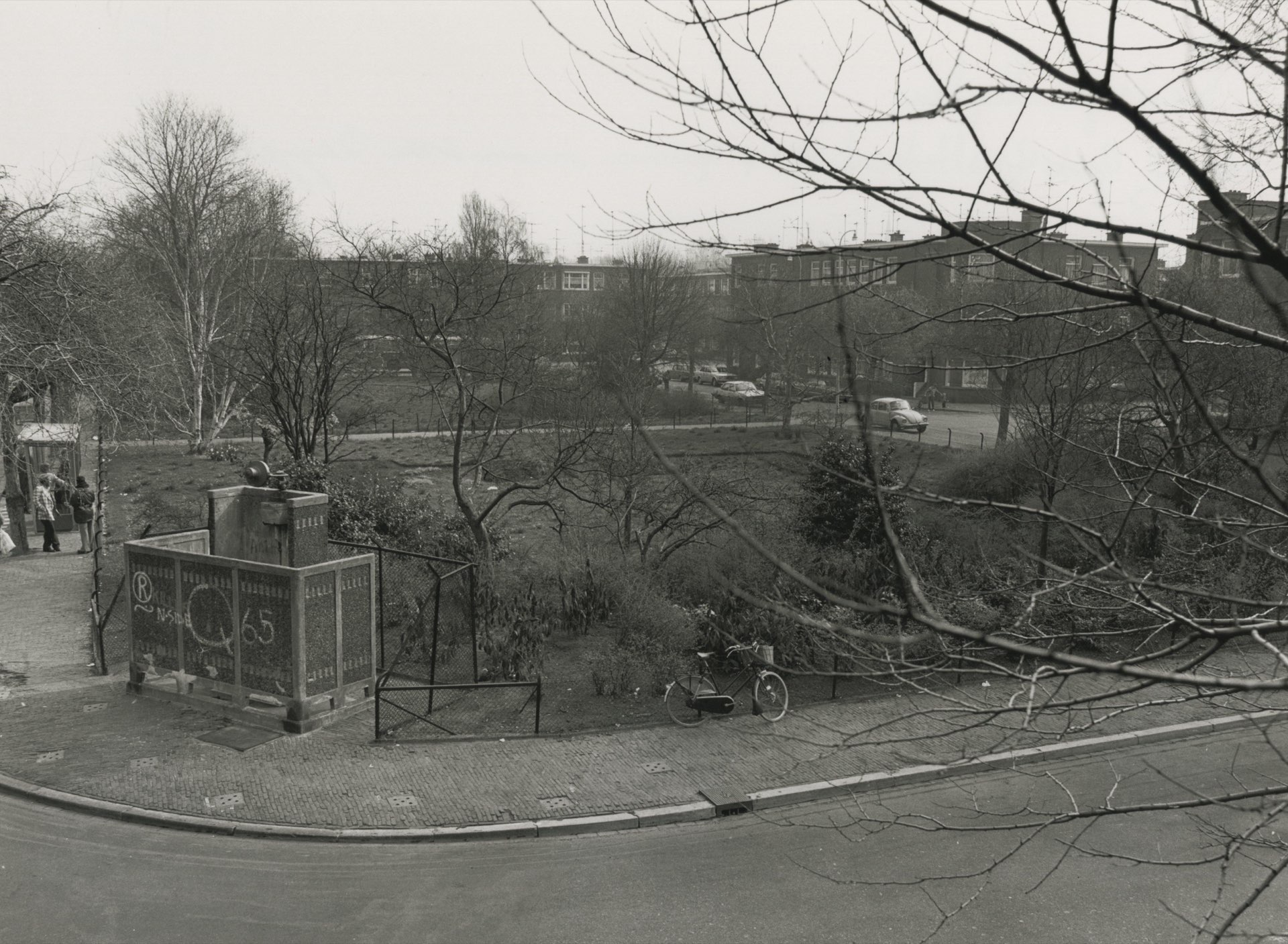
Mathilde muPe grew up in the same Amsterdam block as Dr Rat, who in the early 1970s was already the neighbourhood’s «Chief of Graffiti». She then moved to Amstelveen, a suburb with clean walls until punk arrived in 1977, and wrote felt-tip slogans on bus shelters. Through photos from the Amsterdam city archives, this talk follows how graffiti changed with punk, from monochrome slogans to multicoloured graphics.
Melis Dumlu (NL)
Art historian and writer. Her work explores alternative ways of encountering art and artists, with a focus on perception, artistic expression and graffiti. She also supports the curation of the conference exhibition.
«Graffiti as Embodied Consciousness»
Graffiti is usually read or interpreted. This talk proposes instead to experience it through movement, gesture and perception: from the physical act of writing to the everyday moments when passers-by come across it. It looks at how graffiti becomes part of its surroundings, and how different ways of seeing shape each encounter.
IN PANEL
Pinox’82 (NL)
Groningen’s earliest graffiti legend and long-lost European pioneer. Starting out in the city’s thriving hooligan graffiti scene of the early 1980s, he soon had his tag up all over town. His pieces were remarkably sophisticated for the time.
IN PANEL
Sanne Gijsbers (NL)
Graphic designer from Heerlen and creative director of Street Art Heerlen, the foundation she launched in 2015, which led to the global platform Street Art Cities. With Kevin Goes, she presents «Where Walls Speak», a new podcast on Heerlen graffiti.
IN PANEL
Sebastian Zimmerhackl (DE)
Berlin-based creative technologist. He works with AI, augmented reality and 3D for clients in music, fashion and technology. He is a frequent speaker on art and AI at international conferences and festivals.
IN PANEL
Sven Niemann (DE)
Cultural manager for the City of Lippstadt and a graffiti researcher for over ten years, part of the INGRID research project. His work explores the links between graffiti, music and political protest. He also releases music as Cut Spencer.
«‘Rodenkirchen is spraying!’ Graffiti as a Visual Practice in the Early German Punk Scene»
Early German punk bands used spray cans and brushes to spread their names in public space. Drawing on independent subcultural archives such as Punkfoto and Archiv B, this talk follows graffiti across streets, record sleeves and fanzines, in a scene that faced severe police repression.
Thomas Paier (DE)
Biologist and brother of Klaus Paier. Since 2009 he has looked after the artistic legacy of the Aachen muralist.
IN PANEL
Tobias Barenthin Lindblad (SE)
Author and editor at Dokument Press, the Stockholm publisher that pioneered graffiti books in Europe. He founded the Swedish graffiti magazine «UP» in 1992, and has since written more than a dozen books on graffiti. He lectures and leads workshops across Sweden.
«Punk Wall Writing in Stockholm, 1977—1984»
Stockholm’s punks of the late 1970s and early 1980s never developed a style of their own: their marks were plain, unstyled scribbles. Yet the city’s walls were alive with them. Drawing on period photos and illustrations, and on new interviews with punks of the time, this talk brings that forgotten scene back to light.
Ulrich Blanché (DE)
Art historian at Heidelberg University since 2012, he is the author of several books on Banksy, as well as a history of stencil graffiti. In 2024 he curated a landmark exhibition on the history of graffiti and street art at the Historisches Museum Saar.
«Banksy and Punk»
Banksy’s formative years are usually reduced to his past in graffiti. This talk argues that his visual language owes more to punk: its attitude, its do-it-yourself principle and the anarchism of the band Crass. It also traces Banksy’s links to figures of the punk era such as The Clash, Jill Posener, Jamie Reid and Hugo Kaagman, who speaks at the conference.
Vendex (NL)
One of the most charismatic and active pioneers of the Amsterdam punk graffiti scene of the late 1970s. Speaking on stage for the first time, he also DJs at DOKA on Friday night.